EARTH DAY: “OUR POWER, OUR PLANET”
Before the world agrees on solutions, the earth is already responding quietly, in the hands that cultivate it. Today, the world celebrates Earth Day, a global call to protect the environment and take collective action toward sustainability. The 2026 theme, “Our Power, Our Planet,” emphasises that real change lies in the hands of people, individuals, communities, and entrepreneurs who are willing to act. Across the world, agripreneurs are rising to this call, transforming agriculture into a powerful force for environmental restoration and climate resilience.
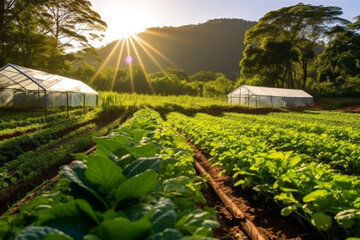
Africa stands at an intersection of vulnerability and opportunity. While the continent contributes minimally to global greenhouse gas emissions, it faces some of the harshest impacts of climate change, including erratic rainfall, prolonged droughts, and declining soil fertility. Yet, within these challenges lies innovation. African agripreneurs are not only adapting to climate realities but are also pioneering solutions that restore ecosystems while improving livelihoods.
“Environmental progress doesn’t depend on any single administration or election. It is sustained by the daily actions of communities, educators, workers, and families protecting where they live and work.”
EARTHDAY.ORG 2026
At the heart of this transformation is Africa’s youth. With the continent boasting the youngest population in the world, young agripreneurs are playing an important role toward sustainable agriculture. Through innovation, collaboration, and entrepreneurship, they are proving that agriculture can be both profitable and environmentally responsible. One of the contributions of agripreneurs is the adoption of regenerative agriculture. By integrating practices such as agroforestry, crop rotation, and organic farming, they are improving soil health, increasing biodiversity, and capturing carbon from the atmosphere. These approaches go beyond sustainability; they actively heal the land. In addition, climate-smart innovations are transforming how farming is done. Solar-powered irrigation systems, drought-resistant seeds, and digital tools are enabling farmers to produce more with fewer resources while reducing their environmental footprint. These innovations demonstrate how technology and sustainability can work hand in hand.
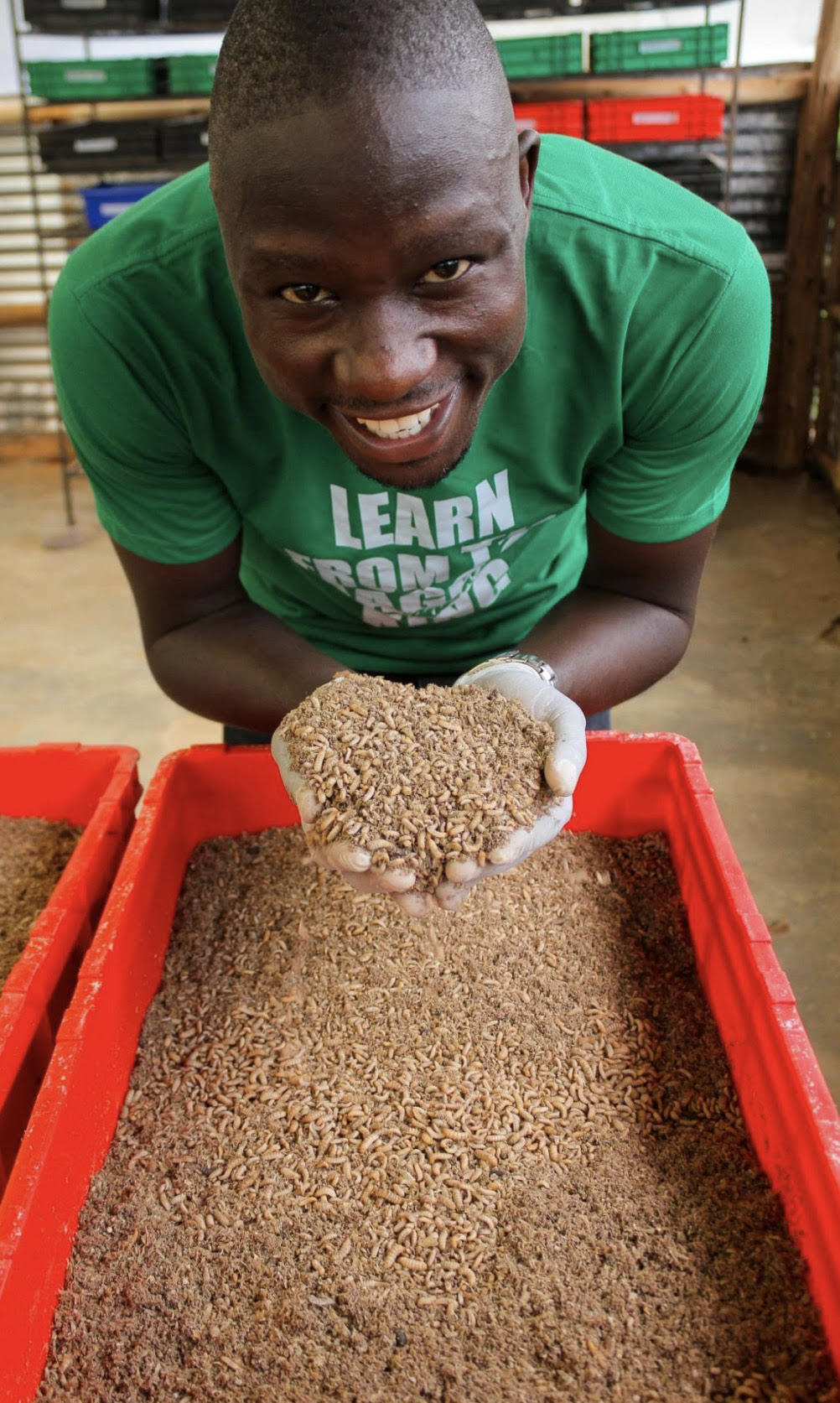
Agripreneurs are also turning waste into wealth. Across the continent, agricultural by-products are being converted into organic fertilizers, animal feed, and even renewable energy through biogas systems. This not only reduces environmental pollution but also creates new income streams and strengthens circular economies. Martin Tenywa , the visionary Co-Founder of Ento Organic Farm, is at the forefront of Africa’s circular economy by transforming mountains of organic market waste into high-quality, sustainable animal feed. By pioneering the use of Black Soldier Fly (BSF) larvae to upcycle food scraps, Martin provides local poultry and pig farmers with a nutrient-rich, low-cost protein alternative to traditional soy and fishmeal. This innovative approach does more than just lower farming overheads; it actively combats climate change by diverting organic matter from landfills where it would otherwise release potent methane and turning it into a vital resource. Through Ento Organic Farm, he exemplifies how young African agripreneurs are merging environmental stewardship with commercial viability.
By turning "trash" into a vital agricultural input, Ento Organic Farm exemplifies the 40% boost in sustainable agribusiness practices projected for 2026. Martin Tenywa’s work proves that for the next generation of African farmers, protecting the planet and powering the economy go hand-in-hand.
Through drip irrigation, rainwater harvesting, and precision farming, agripreneurs are maximising efficiency and ensuring that every drop counts in increasingly water-scarce environments. This shift is critical given that over 80% of African agriculture still relies on unpredictable rainfall, leaving farmers vulnerable to the intensifying droughts brought on by climate change. By integrating low-cost drip systems that deliver water directly to the root zone and utilizing precision sensors to monitor soil moisture in real-time, these innovators are reducing water waste by up to 40%. These technologies do more than just conserve a precious resource; they stabilize crop yields year-round, allowing agripreneurs to transition from subsistence struggle to consistent, climate-resilient commercial production that can withstand the continent's shifting weather patterns.
At the Agripreneurship Alliance, we recognise that empowering these changemakers is essential for building resilient food systems and a healthier planet. Through our Entrepreneurship in African Agribusiness (EiAA) course, a free, virtual program accessible to aspiring innovators across the continent, we are directly fueling the theme of "Our Power, Our Planet" by democratizing the tools for green growth. By removing financial barriers to high-level business training, the EiAA course empowers young Africans to harness their own ingenuity to solve environmental challenges, turning local "power" into sustainable solutions like waste-to-feed enterprises. This impactful digital platform provides the mentorship and strategic knowledge necessary for agripreneurs to scale their climate-smart ventures, ensuring that the drive to protect our planet is led by a skilled, connected, and empowered generation of African leaders.
Beyond individual action, "Our Power, Our Planet" calls for a unified voice in climate advocacy to ensure that the innovations of agripreneurs are supported by robust systemic change. Advocacy serves as the bridge between local success and global impact, pushing for policies that subsidize green technology, protect land rights for young farmers, and divest from practices that accelerate environmental degradation. By engaging in advocacy, we reclaim our collective power to demand transparency from corporations and accountability from governments, ensuring that the 2026 Earth Day milestones are permanent shifts in how we value our natural world.
Our power is in our choices, our innovations, and our collective commitment. Today we are reminded of our shared responsibility. Whether through adopting sustainable farming practices, supporting eco-conscious businesses, or advocating for environmental protection, each action contributes to a larger movement.
Sheila Mary Bahonya,
Agripreneurship Alliance
Earth Day, 22 April 2026